
Aging and the Musculoskeletal System
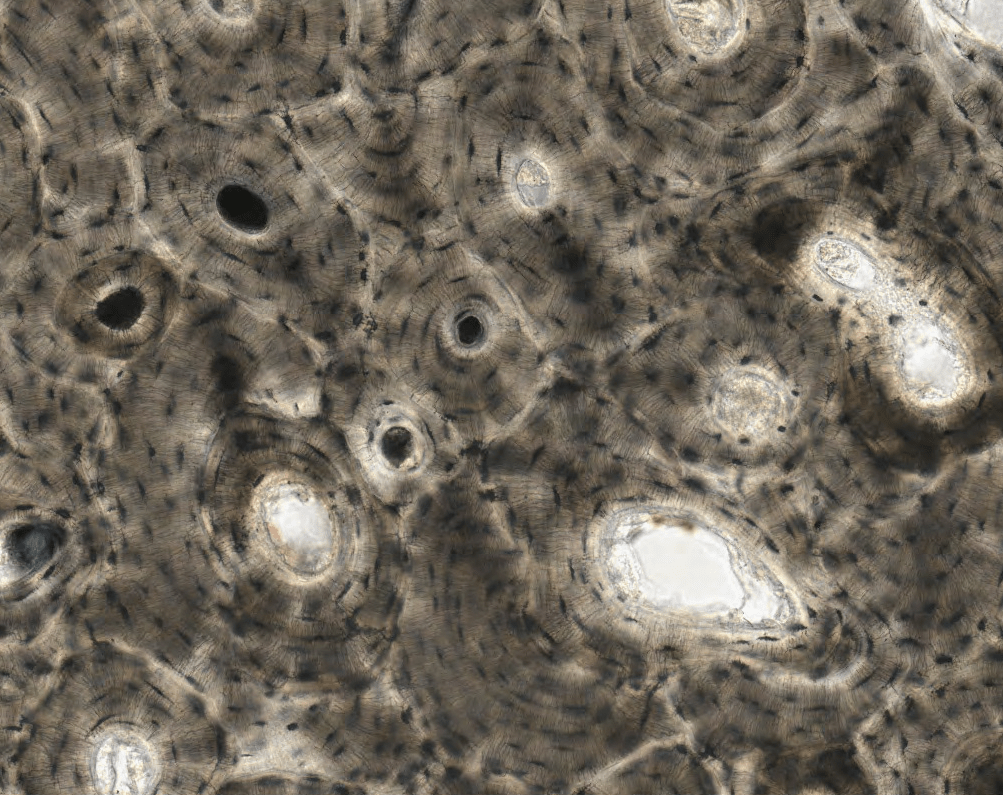
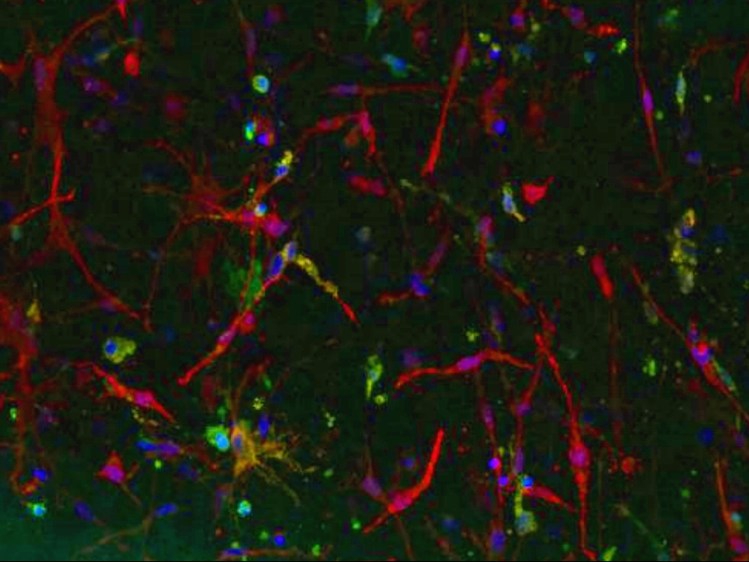
Bone loss and osteoporosis are major causes of skeletal fracture among the elderly caused by increased skeletal stresses during loading. In the healthy or young skeleton, increased bone stresses (and strains) typically result in bone formation. This does not occur as readily in the elderly where the skeleton is less responsive to mechanical load. Why is this? What is it about adult and elderly bone and/or systemic physiology that attenuates bone formation in response to normally osteogenic mechanical stimuli.
To investigate this question, we examine which mechanical signals or types of stimuli the skeleton is most responsive to and how these responses change with age. In this work we also employ novel transgenic mouse models to isolate, the best we can, the effects of specific genes and proteins in specific bone cells. This approach helps us to understand the role of these specific proteins in regulating bone (re)modeling and load-induced bone formation. In relation to this work, we are also developing novel in vitro methods for studying osteoblast and osteocyte mechanobiology, including 3D bone tissue culture and whole bone organ culture systems.
Contact
Purdue Musculoskeletal Biology and Mechanics Lab
Purdue University College of Veterinary Medicine
625 Harrison Street
West Lafayette, IN 47907
Phone: 765.494.0898
Fax: 765.494.0781
Email: rmain@purdue.edu
 Purdue Musculoskeletal Biology and Mechanics Lab