
Musculoskeletal Adaptation
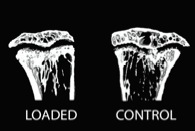
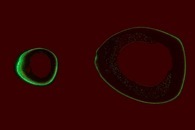
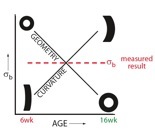
The vertebrate skeleton has an amazing capacity to sense and respond to mechanical stimuli through dynamic modeling and remodeling processes during growth and in adulthood. While these adaptive mechanisms help to prevent skeletal fracture, it is also believed that improper regulation of these processes may lead to degenerative skeletal diseases, like osteoporosis. In the lab we use experimental applied loading and unloading models to understand how control of these adaptive processes at the genetic and cellular levels affect whole bone mechanical function. This work involves relating bone tissue mechanics, modeled computationally, to biological and structural changes in the skeleton. We conduct these studies on novel genetic lines to examine the role of specific proteins in modulating the mechanobiological response to mechanical stimuli. We also study these issues broadly across different vertebrate groups to understand how adaptive plasticity in the skeleton has evolved in vertebrates and its role in musculoskeletal diversity.
Contact
Purdue Musculoskeletal Biology and Mechanics Lab
Purdue University College of Veterinary Medicine
625 Harrison Street
West Lafayette, IN 47907
Phone: 765.494.0898
Fax: 765.494.0781
Email: rmain@purdue.edu
 Purdue Musculoskeletal Biology and Mechanics Lab